Dexcom's Stelo — the only FDA-approved over-the-counter continuous glucose monitor (CGM) for people who don't use insulin — is leveling up with AI-powered coaching, meal recognition, and pattern tracking. The FDA recently expanded its approval to include children aged 2 and older, and international launches are planned through 2027. Experts welcome the accessibility gains but stress that education and clinical guidance remain essential, especially for kids.
Dexcom's Stelo Glucose Biosensor System — the first and only FDA-approved over-the-counter CGM for non-insulin users — is getting a significant upgrade. A redesigned app rolling out in the US in July will introduce AI-generated coaching, meal photo recognition, and automated daily and weekly summaries linking glucose trends to diet, exercise, sleep, and stress. The FDA also recently expanded Stelo's approval to cover children aged 2 and older who don't use insulin, building on its original 2024 adult clearance.
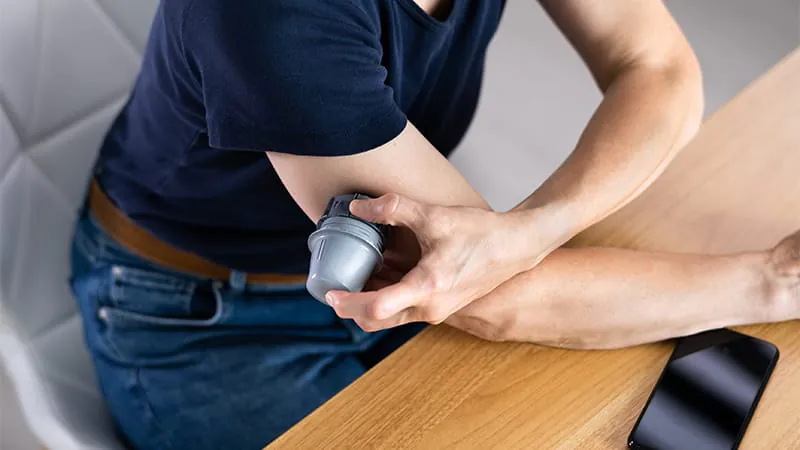
International expansion is also on the horizon, with launches planned in the UK, Australia, New Zealand, and South Korea through 2027. The device measures glucose every 15 minutes via a wearable sensor that lasts up to 15 days, transmitting data to a smartphone app — no prescription or doctor's visit required.
Key Takeaways:
Why it matters: OTC CGMs could democratize metabolic health monitoring — particularly for those without insurance or regular physician access. But as these tools reach more patients and younger users, clinicians will play a critical role in ensuring glucose data is interpreted accurately and doesn't replace professional medical guidance.