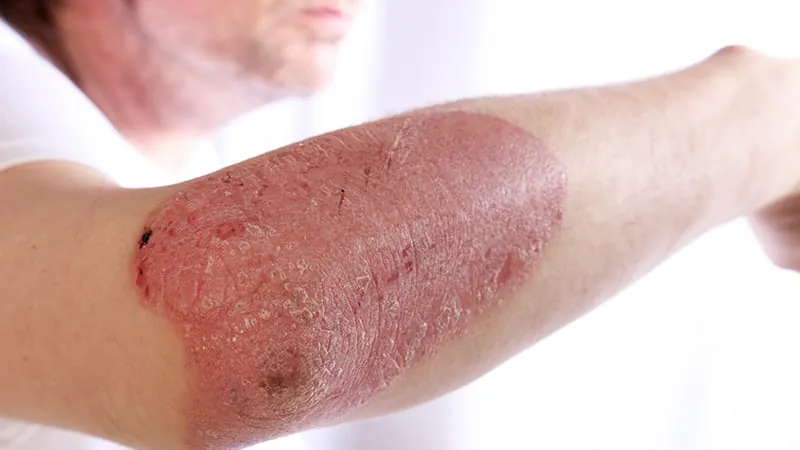
Could tweaking your gut microbiome help calm psoriasis flares? A new review in Nutrition Reviews found that biotics — probiotics, prebiotics, synbiotics, and postbiotics — may reduce inflammation and improve skin severity scores in psoriasis patients. The evidence is still early, but researchers say these interventions could be a useful complement to conventional treatments.
Could what's happening in your gut be making your skin worse? A review published in Nutrition Reviews, covering randomized controlled trials from 2013–2024, found that biotics — including probiotics, prebiotics, synbiotics, and postbiotics — may offer a promising adjunctive approach to managing psoriasis. The findings support the concept of a "gut-skin axis," suggesting that gut microbiota dysbiosis plays a meaningful role in this chronic inflammatory skin disease.
Across the trials reviewed, biotic interventions were associated with favorable shifts in gut bacteria composition, reductions in inflammatory markers, and improvements in psoriasis severity scores. Notably, even heat-inactivated (nonviable) bacteria showed benefit — half of participants using Prevotella histicola saw at least a 25% improvement in skin lesions, without permanently altering the gut microbiome.
That said, the authors urge caution: only 10 small RCTs (each with fewer than 30 participants) met inclusion criteria, with heterogeneous protocols making firm clinical recommendations premature.
Key Takeaways:
Why it matters: Conventional psoriasis therapies can carry significant side effects. Biotics, which are generally safe and widely accessible, could serve as low-risk adjuncts that enhance treatment effectiveness and reduce flare severity — though larger, standardized trials are needed before routine clinical use.